Car maintenance
Dashboard Warning Lights: What Each Colour Means
Published · Updated · 3 min read · Petrol Prices Today team
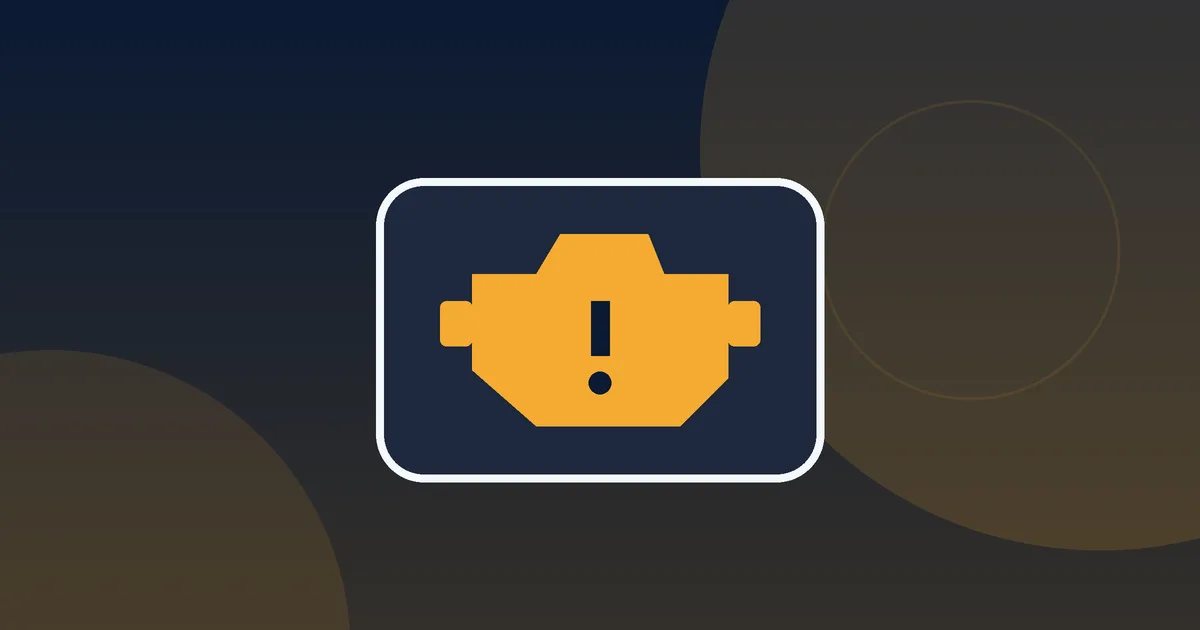
A warning light is your car telling you something. Some lights mean stop now, others mean book a check. Symbols vary between makes, so your handbook is the final word, but the colours follow a pattern.
The colour code
- Red: a serious fault or a safety issue. Stop in a safe place as soon as you can, and get advice before driving further.
- Amber or yellow: a fault or a service need. The car can usually be driven, but get it checked soon.
- Green or blue: a system is switched on, such as headlights or cruise control. No action needed.
Common red lights
- Oil pressure. An oil can symbol. Stop and switch off the engine. Driving on can destroy the engine. Check the level once it has cooled, and call for help if it is low or the light stays on.
- Engine temperature. A thermometer in liquid. The engine is overheating. Stop safely and let it cool. Do not open the radiator cap while hot.
- Brake system. A circle with an exclamation mark. It can mean low brake fluid or the handbrake being on. Check the handbrake, and if the light stays on, do not drive.
- Battery or charging. A battery symbol. The charging system is not working. The car may stop soon, so go to a garage if you can reach one safely. See car battery problems in cold weather.
- Airbag or seatbelt. A person with a seatbelt and a circle. There may be a fault in the safety system. Get it checked.
Common amber lights
- Engine management. An engine outline. There is a fault in the engine or emissions system. If it flashes, reduce speed and stop driving as soon as it is safe, as a misfire can damage the catalytic converter. If it is steady, get it checked soon.
- Tyre pressure (TPMS). An exclamation mark inside a tyre shape. One or more tyres are low. Check pressures when cold. See tyre pressure and fuel economy.
- ABS. The letters ABS. Normal brakes still work, but the anti-lock system may not. Get it checked.
- Diesel particulate filter. A box with dots. The filter is clogging. A longer drive at speed may clear it. See cold starts, short trips and idling.
- Service reminder or low fuel. A spanner or a fuel pump. Book a service or refill. Compare fuel prices near you before you fill.
- Traction control or stability. A car with wavy lines. It flashes when the system is working, and stays on if there is a fault.
What to do when a light comes on
- Check the colour. Red means stop safely.
- Look it up in the handbook.
- Check the basics, such as the handbook symbol, oil level, coolant and tyre pressures when the engine is cool.
- Do not ignore amber lights. They tend to get worse and cost more later.
- Get it diagnosed. Many garages can read fault codes quickly, and some do it for free or at a low cost.
MOT and warning lights
Some warning lights, such as engine management, airbag or ABS, can cause an MOT fail. See MOT explained.
Be careful with cheap code readers
A cheap code reader tells you the fault code, not the fix. A code can point to a faulty sensor when the real problem is elsewhere, so use it as a guide and get a proper diagnosis.
This is general advice. For any warning light, follow your car's handbook.
Find the cheapest fuel near you
Compare live petrol and diesel prices at stations around your postcode.
More guides
Car maintenance
10-Minute Car Checks Anyone Can Do20 November 2026
Car maintenance
Tyre Tread Depth and the 20p Test15 November 2026
Car maintenance
MOT Explained: What Is Checked and How to Avoid a Fail10 November 2026